Christian Heilmann

Author Archive

Want to speak at an event? Fork and change my cheatsheet for organisers!

Thursday, July 5th, 2018

Presenting at conferences is a lot of work, but it kind of pales in comparison to organizing conferences. For years, conference organisers thanked me for making their lives easier by having all my presenter information in one place, a “presenter cheatsheet”.

Presenting

Today I spend some time to convert this to a markdown document on GitHub, so you can fork it and change it to your needs.

I covered all the basics:

  • Presenter information, bio and headshots
  • What kind of presentations you want to cover
  • What topics you can cover
  • Show stoppers (when you will not present)
  • Your deliveries
  • Your setup
  • Your expectations
  • Money matters
  • What when things go wrong.

So go to https://github.com/codepo8/presenter-terms and change what you need. Conference organisers will thank you.

Is the new world of JavaScript confusing or intimidating? I thought so, and recorded a video course how to feel better

Tuesday, July 3rd, 2018

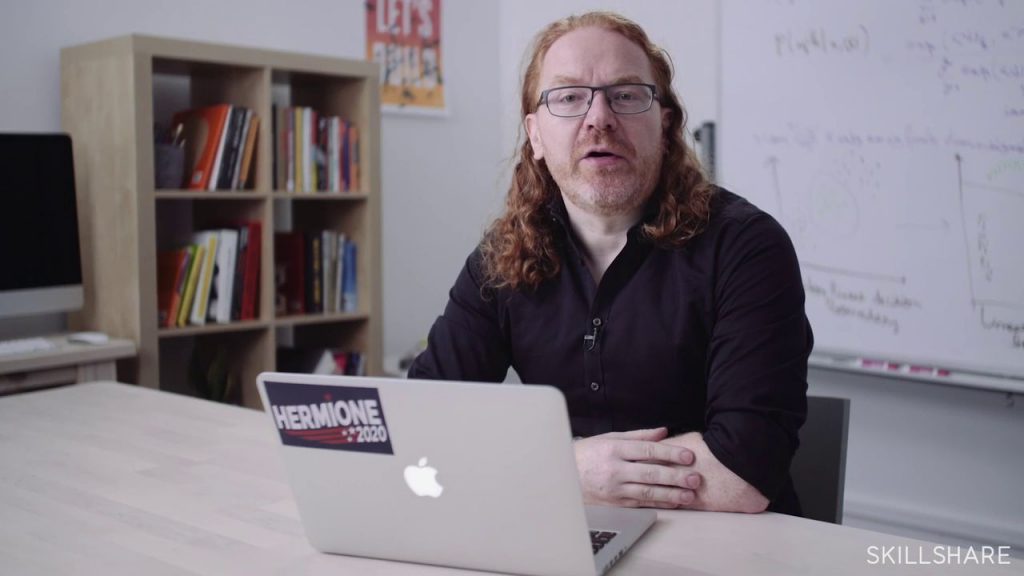
Chris Heilmann smiling behind his laptop as the course is finished

JavaScript used to be easy. Misunderstood, but easy. All you had to do was take a text editor and add some code to an HTML document in a SCRIPT element to enhance it. After a few years of confusion, we standardised the DOM. JavaScript became more predictable. AJAX was the next hype and it wasn’t quite as defined as we’d like it to be. Then we had jQuery because the DOM was too convoluted. Then we got dozens of other libraries and frameworks to make things “easier”. When Node came to be we moved server side with JavaScript. And these days we replaced the DOM with a virtual one. JavaScript has types, classes and convenience methods.

JavaScript is everywhere and it is the hottest topic. This can be confusing and overwhelming for new and old developers. “JavaScript fatigue” is a common term for that and it can make us feel bad about our knowledge. Am I outdated? Am I too slow to keep up? Which one of the dozens of things JavaScript can do is my job? What if I don’t understand them or have no fun doing them?

It is easy to be the grumpy old developer that discards everything new and shiny as unreliable. And it is far too often that we keep talking about the good old days. I wanted to find a way to get excited about what’s happening. I see how happy new, unencumbered developers are playing with hot new tech. I remembered that I was like that.

That’s why I recorded a Skillshare class about JavaScript and how to deal with the changes it went through.

In about an hour of videos you learn what JavaScript is these days, how to deal with the hype and – more importantly – what great advances happened to the language and the ecosystem.


Here’s me explaining what we’ll cover:

The videos are the following. We deliberately kept them short. A huge benefit of this course is to discover your own best way of working whilst watching them. It is a “try things out while you watch” kind of scenario:

  • Introduction (01:46) – introducing you to the course, explaining what we will cover and who it is for.
  • JavaScript today (08:41) – JavaScript isn’t writing a few lines of code to make websites snazzier any longer. It became a huge platform for all kinds of development.
  • Uses for JavaScript (06:25) – a more detailed view on what JavaScript does these days. And how the different uses come with different best practices and tooling.
  • Finding JavaScript Zen (04:15) – how can you stay calm in this new JavaScript world where everything is “amazing”? How can you find out what makes sense to you and what is hype?
  • Evolved Development Environments (10:22) – all you need to write JavaScript is a text editor and all to run it a browser. But that’s also limiting you more than you think.
  • Benefits of Good Editors (12:34) – by using a good editor, people who know JavaScript can become much more effective. New users of JavaScript avoid making mistakes that aren’t helpful to their learning.
  • Version Control (09:15) – using version control means you write understandable code. And it has never been easier to use Git.
  • Debugging to Linting (06:01) – debugging has been the first thing to get right to make JavaScript a success. But why find out why something went wrong when you can avoid making the mistake?
  • Keeping Current in JavaScript (05:11) – JavaScript moves fast and it can be tricky to keep up with that is happening. It can also be a real time-sink to fall for things that sound amazing but have no life-span.
  • Finding the JavaScript Community (03:59) – it is great that you know how to write JavaScript. Becoming part of a community is a lot more rewarding though.
  • Asking for Help (05:47) – gone are the days of writing posts explaining what your coding problem is. By using interactive tools you can give and get help much faster.
  • Final Thoughts (01:11) – thanks for taking the course, how may we help you further?

I wrote this to make myself more content and happy in this demanding world, and I hope it helps you, too. Old-school developers will find things to try out and new developers should get a sensible way to enter the JavaScript world.

Developer Relations revelations: presenting at a conference is much more than your talk

Thursday, June 28th, 2018

This is part of a series of posts about the life as a DevRel person and how not all is unicorns and roses. You can read the introduction and the other parts of the series here.

So, today, let’s talk about giving presentations.

Chris and unicorn in oil
Artistic impression by Anke Mehlert (@larryandanke) what it looks like when I present

As this is a “warts and all” series of posts, I’ll cover the following aspects:

  • Preparing your presentation for various audiences
  • Frustrations and annoyances to prepare for – things that always go wrong
  • Getting ready to be on stage
  • Things to avoid on stage
  • Planning the follow-up
  • The weirdness of making it measurable

Public speaking is tough

Me, presenting

Giving a presentation, or even having to speak in front of a group is the stuff of nightmares for a lot of people. There are so many things that can go wrong and you have nowhere to hide as you are the centre of attention.

It is not easy, and it shouldn’t be. I’ve been presenting at hundreds of meetings and events over the last decade. Every time I go up on stage, I am scared, worried and my tummy imitates the sounds of a dying whale. I also hope against hope that I won’t mess up. This is normal, this is healthy, and it keeps me humble and – hopefully – interesting. Sure, it gets a bit easier, but the voice in your head telling you that it is not normal that people care for what you have to say will never go away. So that’s something to prepare for.

Now, there is a lot of information out there about becoming a great presenter. A lot of it is about the right way to speak, breathe and move. You can even cheat yourself into appearing more confident using Power Poses.

I am coaching people on public speaking. And I found out pretty early that “being a great presenter” is a very personal thing. The techniques needed differ from person to person. There is no silver bullet for you to instantly become a great presenter. It is up to you to find your voice and way of presenting that makes you most confident. Your confidence and excitement is what makes a presentation successful. To a degree this happens in equal measures.

It is great to see presenters admitting not being experts but sharing what got them excited about the topic they cover. Much better than someone faking confidence or repeating tired old truths that can’t be disagreed with.

When you look around on the web for presentation tips there is a lot of thinly veiled advertising for a course, workshop or books. Once you become a known presenter, you don’t even have to look. You get spam mail offering you magical products to give awesome presentations. Others offer you to create materials for your talks and style your slides.

Here’s the thing: none of that is making that much of a difference. Your slides and their form are not that important. They should be wallpaper for your presentation. In the end, you have to carry the message and captivate the audience, not read a deck out to them.

Except, it does make a difference. Not for your talk, but for everyone else involved in it.

Players two, three and four have entered the game

Now, as I already hammered home in the last post, as a DevRel person you are not representing yourself, but also a group or company. That means, that you have a lot more work to prepare a presentation. You need to juggle demands of:

  • Your company and colleagues
  • The conference organisers
  • The audience
  • People who later on will watch the video of the talk
  • Those peering over the social media fence to add their ideas to fragments of information regardless of context

Seperating from your company is tough but needed

Here’s the biggest issue. Technical audiences hate sales pitches. They also hate marketing. They go to a tech event to hear from peers and to listen to people they look up to.

As soon as you represent a company there is already a sense of dread that they’ll find a shill wasting their time. This gets worse the bigger your company is and the older it is. People have a preconception of your company. This could be beneficial “Cool, there is a NASA speaker at that event”. Or it could be a constant struggle for you having to explain that things your company did or other departments do aren’t your fault. It could also be a struggle for you when all you have from your company is marketing messages. Messages that are groan-worthy for technical people but sound great in the press.

Do yourself a favour and be adamant that you own your presentations. You don’t want to get into the stress of presenting a peer-reviewed “reusable slide deck” of your company.

Be proactive in writing and owning your talks. Make sure your company knows what you do and why your talk is a great thing for them. You are on the clock and you are spending their money. That’s why you can’t use presenting only to further your personal brand – something needs to come out of it. That, of course, is tricky to get right, but there are some ways to make it worth while – more on that later.

Helping conference organisers

Conference organisers have a tough job. They don’t only need to wrangle the demands of the audience and locations. They also are responsible for everything that happens on stage. Thus it is understandble that they want to know as much as possible about your talk before it happens. This can get weird.

I often get asked for insipirational, cutting edge talks. In the same sentence I’m asked to deliver the slides months in advance. This is impossible unless you keep the talk very meta. Blue-sky, meta talks don’t help your company or your product. They advocate yourself as a visionary and an important voice in the market, which is good for the company. But tough to explain to the product teams how it affects their work.

In any case, it is a great idea to make the lives of conference organisers easier by having things ready for them. These include:

  • A great title and description of your talk
  • A description of the skill level you expect from the audience
  • An up-to-date bio to add to their materials
  • A few good photos of you
  • Your name, job description, company
  • Ways to connect to you on social media
  • Things you published or resources you maintain

These make it easier for the conference to drum up excitement about your talk and yourself. This can mean the difference between speaking to an empty or full room at the event.

Many events will want slides in advance. I tend to not do that as it limits me and often I get inspiration on the flight there. The only exception is if the event offers translation and especially sign translation. Then I provide slides, extensive notes that I will stick to and a list of special terms and what they mean. It is not fun when you talk about databases and the audience looks confused as the translator talks about kitchen tables.

Making it easier for the audience

I am a firm believer that you should separate yourself from your slides to deliver a great talk. I also realised that this often is wishful thinking.

You will hear a lot of “best practices” about slides and not having much text on them but set the mood instead. That’s true, but there is also a benefit to words on slides. Of course, you shouldn’t read your slides, but having a few keywords to aid your story help. They help you in your presentation flow. They also help an audience that doesn’t speak your language and miss out some of the nuances you add to your talk.

If your slides make at least some sort of sense without your narration you can reach more people. Most conferences will make the slides available. Every single time I present the first question of the audience is if they can get the slides. Most conferences record you and your slides. A sensible deck makes the video recording easier to understand.

When you considered all this, you can go on stage and give the audience what they are looking for. The next thing to tackle is stage technology.

Things that go wrong on stage

Ok, here comes trouble. Stage technology is still our enemy. Expect everything to go wrong.

  • Bring your own power adaptor, remote and connectors but don’t expect there to be a power plug.
  • Don’t expect dongles to work with long cables on stage
  • Don’t expect to be able to use the resolution of your computer
  • Learn about fixing resolution and display issues yourself – often the stage technicians don’t know your OS/device
  • Expect to show a 16:9 presentation in 4:3 and vice versa
  • Expect nothing to look on the projector like it does on your computer
  • Use slide decks and editors/terminals with large fonts and high contrast.
  • Don’t expect videos and audio to play; be prepared to explain them instead
  • Do not expect to be online without having a fallback solution available.
  • Expect your computer to do random annoying things as soon as you go on stage.
  • Reboot your machine before going up there
  • Turn off all notifications and ways for the audiences to hijack your screen
  • Make sure you have a profile only for presenting that has the least amount of apps installed.
  • Expect your microphone to stop working at any time or to fall off your head getting entangled in your hair/earrings/glasses/beard
  • Expect to not see the audience because of bright lights in your eyes
  • Expect to have terrible sound and hearing random things in the background and/or other presentations in adjacent rooms
  • Expect any of your demos to catch fire instead of doing what they are supposed to do
  • Have a lot of stuff on memory sticks – even when your machine dies you still have them. Be sure to format the stick to work across operating systems
  • Expect to not have the time you thought you had for your talk. I normally plan for a 10 minute difference in each direction

I’ve given up on trying high-tech presentations because too much goes wrong. I’ve tried Mac/Keynote, PC/Powerpoint, HTML Slides and PDFs and still things went wrong. I started prefering to have my slides shown on a conference computer instead of mine. At least then I have someone else to blame.

My main trick is that I have my slides as PowerPoint with all the fonts I used on a memory stick. I also have them as a PDF with all animations as single slides if even that will not work out. Be prepaired for everything to fail. And if it does, deal with it swiftly and honestly.

Getting ready to be on stage

Before going on stage there are a few things to do:

  • Announce on social media where and when you are presenting and that it is soon
  • Tell your colleagues/friends at the event where you present and that people may come and talk to them right after
  • Take some time out, go to a place where people don’t pester you and go through your talk in your head
  • Take a bio break, crossing your legs on stage is not a good plan
  • Check that your oufit has no malfunctions, drink some water, make sure your voice is clear (lozenges are a good idea)
  • Take some extra time to get to the room you present. I normally tend to sit in the talk before and use the break in between presentations to set up
  • Stock up on swag/cards and other things to immediately give to people after the talk.
  • Breathe, calm down, you’re ready, you got this

DevRel stage etiquette

Congratulations you made it. You’re on stage and the show must go on. There are a lot of things not to say on stage, and I wrote a whole post on the subject some time ago . In this current context of DevRel there are a few things that apply besides the obvious ones:

  • Don’t over-promise. Your job is to get people excited, but your technical integrity is your biggest asset
  • Don’t bad-mouth the competition. Nothing good comes from that
  • Don’t leave people wondering. Start with where the slides are available and how to contact you. Explain if you will be at the event and where to chat to you
  • Turn off all your notifications on your phone and your computer. You don’t want any sensitive information to show up on screen or some prankster in the audience post something offensive
  • Have a clean setup, people shouldn’t see personal files or weirdly named folders
  • Don’t have any slides that cause controversy without your explanations. It is a very tempting rhetoric device to show something out-of-context and describe the oddity of it. The problem is these days people post a photo of your slide. People without the context but a tendency to cause drama on social media then comment on this. You don’t want to get off stage, open your phone and drown in controversy. Not worth it.
  • Make it obvious who you work for. As mentioned earlier, this can be a problem, but you are there for this reason.
  • Show that you are part of the event by mentioning other, fitting talks on subjects you mention. This is a great way to help the organisers and help other presenters
  • Don’t get distracted when things go wrong. Admit the error, move on swiftly. It is annoying to witness several attempts of a tech demo.
  • If there is a video recording, make sure it makes sense. Don’t react to audience interjections without repeating what the context was. Don’t talk about things people on the video can’t see. When I spoke at TEDx the main message was that you talk more for the recording than the people in the room. And that applies to any multi-track conference.
  • Make sure to advocate the official communication channels of the products and teams you talk about. These are great ways to collect measureable impact information about your talk.

Things that happen after your talk

Once your done, there will be a lot of immediate requests by people. So make sure you have enough energy for that. I’m almost spent right after my talks and wished there were breaks, but you won’t get them.

Other things on your plate:

  • Use social media to thank people who went to your talk and to post a link to your slides using the conference hashtag.
  • Collect immediate social media reactions for your conference report
  • Tell people if and where you will be (probably your booth) for the rest of the conference
  • Find some calm and peace to re-charge. You’ve done good, and you should sit down, have a coffee or water and something to eat. I can’t eat before my talks, so I am famished right after

How do you know you were a success?

From a DevRel point of view it is hard to measure the success of presentations. Sure, you have impressive photos of rooms full of people. You also have some very posititive tweets by attendees and influencers as immediate feedback tends to be polarised. But what did you really achieve? How did your talk help the team and your product?

This is a real problem to answer. I always feel a high when on stage and at the event but a day later I wonder if it mattered to anyone. Sometimes you get lucky. People contact you weeks after telling you how much you inspired them. Sometimes they even show what they did with the information you told them. These are magical moments and they make it all worth while.

Feedback collected by the conference is to be taken with a grain of salt. Often there is a massive polarisation. As an example, I often have to deal with “Not technical enough” and “Too technical” at the same time. Tough to use this feedback.

One trick to make it worth while for your company and measurable is to have short-URLs in your slides. The statistics on those with the date attached can give you an idea that you made a difference.

Fact is that somehow you need to make it measurable. Going to an event and presenting is a large investment. In time, in money and also in emotional efforts. It is a great feeling to be on stage. But also remember how much time and effort you put into it. Time you could have spent on more re-usable and measurable DevRel efforts.

Developer Relations revelations: Conferences are a lot of work

Tuesday, June 26th, 2018

This is part of a series of posts about the life as a DevRel person and how not all is unicorns and roses. You can read the introduction and the other parts of the series here.

So, today, let’s talk about conferences and attending them as a DevRel person.

Lanyards on my door

As an attendee conferences are amazing. You watch great talks, you can vote with your feet which ones to support. You can network and meet like-minded people. And – at good conferences – you have enough to eat, drink and you even might catch a cool party. It is a great way to get out of the office, be proud of your work or get inspired to do better. It is a welcome distraction from the daily grind and thus you love putting a lot of time into it.

Conferences for DevRel folk aren’t time-out – at all

As a DevRel person, conferences aren’t a distraction. They are part of your job. Whilst other people put extra effort in to enjoy them the fullest, you need to make sure you pace yourself not to burn out. Having a four hour sleep following an after-party is a lot less fun when you have to be on stage next morning or run a booth.

As a DevRel person conferences means 100% work. Of course, you might give a talk or workshop – I will cover that in the next post. You also might have booth duty. And even if that’s not the case, your job is to represent your company and to keep your eyes open for opportunities.

These could be

  • Covering the conference on social media. It is a nice thing to do for the conference organisers and it is a great idea to be part of the buzz
  • Conversations with influencers.
  • Talking to interesting company representatives to get workshop or collaboration opportunites.
  • Watching a talk by a colleague or friend to give them feedback.
  • Checking what the competiton is doing .
  • Eavesdropping on conversations and what currently makes your audience tick.
  • Taking notes and photos and collecting leads to add to your conference report
  • Talking shop with peers and competitors.
  • Shooting videos with interesting people
  • Showing demos on your computer
  • Helping people with problems with your products on their computers
  • Explaining people how to play with your systems
  • Dis-spell myths about your products or your competitors’
  • Give out swag and collect cool swag from others to add to your laptop

This all takes time, and effort, and a lot of concentration. You don’t sit back and enjoy the show – you are reporting on it and are part of it.

Here’s the thing: you get paid to be there. So you need to make it count for the people who sent you and make it measurable.

And that can be exhausting. It is especially exhausting when you don’t want to come across as pushy and on the clock, but be an attendee instead.

Loose lips cause Twitter Drama

Conferences are a chance for attendees to let their hair down and have fun with like-minded peers. Of course, the same can apply to you and it makes sense to be part of the fun crowd. But, whatever you say and how you behave is very much on the record. You’re not at an event – you are in the limelight.

Again: as a DevRel person at an event you are never off the record.

And the record spans much further than the event you are currently at. The bigger and more important your company is, the better headlines any of your mistakes make. We love to throw dirt at successful companies and people – that’s what all gossip magazines are about. And tech magazines beholden to clicks as revenue are not far from those.

A glib remark, a tasteless joke, some banter about your competition – easy to do at an event. And fun to do – everyone does it. But you aren’t everyone and you are not a stand-up comedian who succeeds with witty public outrage.

Fact is, as a person working at the event, you can not be part of indiscretions like that. It probably is even up to you to call these things out – in person, right at the event.

The reason – aside from the obvious – is that as a DevRel person of a hot company or product people repeat what you say. A lot of people are far too enthusiastic to do so. And what happens is that context gets lost. What was good natured fun at an event or a joke on your slides can turn nasty on Twitter for weeks after. You will be misquoted as attacking a competitor. You will come across as badmouthing your company. In a time where tech news outlets get away with quoting tweets quoting you as a source, that can last for years. Every time I am quoted as a “Microsoft engineer on Twitter” I get a small freak-out.

You have to watch how you behave and what you say as how you come across reflects on your company. And context does not protect you.

A classic trick interviewers love to do is an agreement trap. They trying to get you to agree with them when they say something bad or unproven about your competition. You need to be on your toes to not agree. Instead be adamant explaining that you don’t know about this and have nothing to add.

You do represent your company – for better or worse

People also love to bait you to get information that is speculation about your company. They bring up things your company has done in the past or does in departments far away from your influence.

They ask for very simple, true-ish, statements. Statements that make great soundbites. You need to be on your guard to deflect these arguments and not fall into the trap of being recorded as making assumptions. This would mean colleagues of yours will not only have to deal with accusations. They will have to deal with accusations backed up by a company representative. It is very tempting to shut aggressive people up my telling them what they want to hear. But there are consequences. As a DevRel person it is not uncommon that you have to prove the worth of your position to the company every few months. This won’t help.

You need downtime – but it is hard to come by

These things get a lot trickier when you are jetlagged, sleep-deprived, hung over, dehydrated and your head is full of a dozen things you need to cover at the event. Whilst not all these factors should ever be a thing, a mix and match is not uncommon, depending on your outreach strategy.

Be aware that as soon as you are visible, you will have people come to you and ask for your attention. This is a great thing, but it also needs moderation. You need to take breaks to stay lucent and helpful to people’s needs, and you can’t do that for a whole event. You also need a lot of patience as people are prone to asking you the same questions dozens of times at the same event.

Skipping talks

I’d love to see every talk I am also interested in at events, but I am not a conference participant – I am part of it. It also can get weird. Often I sit in a talk I am interested in, but I can’t see it. As people see me as an expert they keep asking me during the talk if I agree with the current points. Often points that are beyond my grasp or I heard for the first time. As a DevRel person you’re a source of confirmation for people. This is not the time to learn. You are better off watching the talk recording later. Unless, of course, the presenter is a someone you want to support or a competitor you need to watch.

I started to use talks as a chance to go back to my hotel room or a quiet room (if the conference offers those – PLEASE DO!). I fall flat on my face, groan a bit and maybe take a 15 minute power nap. I also do other things like answering emails that would otherwise pile up. I change the shirt that is not too comfortable after my talk or shows sweat stains. In any case, I try to do nothing at all and have a quiet room without people for a while to find my Zen again. You need to do this, too. It’s basic work practice and even factory workers have breaks defined by law – take yours.

When you skip some talks and go out you can come back in the breaks to network much more refreshed.

Creature comforts – drinks and food

It is quite tough to feed a herd of humans with things everyone is happy with and can consume. Especially without breaking the budget of your event. Catering is hard and expensive. I applaud every conference organiser that gets it done even half-arsed. I have massive respect for the people serving food and making sure everything stays in order.

That said, if you work on conferences, things get tricky. Lunchbreaks are a great opportunity to start chats and talk to people. Yet, talking whilst eating is tough. If the conference provides access to food before the mad rush, take advantage of that. Have a bit of food beforehand and work the room with a drink later on instead. That way you can talk to people having their break without covering yourself and them in crumbs.

Alcohol, of course, is a tricky subject. Know your limits, or just don’t drink. I learned that a glass of water with ice cubes and a lime works. You can carry it like a cocktail and it gets you in with the drinking crowd without all the ill effects and deflects peer pressure. But hey, up to you, just remember what I wrote earlier about being on the record.

It is in any case a great idea to try to live a tad healthier than people who come to party. I carry nuts and fruit and make sure I use the gym when I can in the evenings and the mornings. It is also a great opportunity to wipe your memory and get into the next day with a fresh start.

The conference end isn’t the end of your work

Once the conference finished, your collation job begins.

  • You collect all unused swag, pack it up and mail it back to the office (or haul it yourself)
  • You write your reports
  • You follow up with leads and type in dozens of emails from business cards
  • You send out information about your talk or workshop to the audience or the attendees.
  • You answer conference demands like your slide deck
  • You collect and sort your receipts for expense reports
  • You answer enthusiastic tweets and emails people sent you – it is not good to keep happy people waiting
  • You remind people you met about your conversations.

All this you need to do this as soon as possible, as the longer you wait, the more you forget. This means you also need to have some energy left for these task.

So, why do it?

Given all this work you may wonder why we bother covering that many events. Well, there are lots of great parts, too. The network you accumulate with peers and conference organisers is worth a lot. Anything to make it easier for you to get invited helps. It also helps your company a lot when they know about lots of different conferences to see which ones make sense to sponsor. And a chance encounter with engineers of a certain company at an event is often a great foot in the door for collaboration. Often I managed to get access to companies that way that sales and marketing people failed to do for years. The peer-to-peer IRL network of engineers and designers is a powerful access point.

In any case, I just wanted to list the needs and demands a dedicated DevRel person has at events. I hope this helps you prepare. I also hope that some people consider this when they tell you – once again – how easy your life is hanging out at events all the time.

Developer Relations revelations: not all is glamour and fun

Monday, June 25th, 2018

I spent this morning at a photoshoot. A photographer dragged me all over Berlin Mitte to take photos of me holding my phone and pretending to communicate. The reason is an essay about “Jobs of the Future” for a German finance magazine. Me, I am a “Developer Relations Person/Developer Evangelist/Developer Advocate” and this is baffling to people with “normal” jobs. I’ve done this for a long time and quite some time ago I wrote the Developer Evangelism handbook.

Don't fall in love, fall in coffee...

It is flattering to see how something that niche gets mainstream attention. It is also frightening to me. The explosion of DevRel opportunities in the last years is amazing. But often I am disappointed. The idea of companies hiring DevRel people in junior positions is odd. People with no company history or product involvement being DevRel is against everything I described.

DevRel is a great opportunity for engineers to move from delivering the product to helping it to become a bigger success. We’re not sales people and we’re not marketing. We’re communicators inside and outside the company and our main task is to make it easy for developers to do their job. That needs in-depth technical knowledge and company experience. That means dealing with the needs of marketing, management and recruiting and translating those to events and team communication. It also means – to a much larger degree – to ensure that the developer’s needs inside and outside the company are communicated in an understandable and actionable manner to the company.

What annoys me a lot more though is that by painting DevRel as a job disconnected from engineering, developers lose respect. And often people don’t get just how much stress, effort and unsatisfactory agreements working in DevRel is.

On the surface, DevRel sounds like a great job. Other people do the work, all you need to do is to present it in social media, at conferences and in blog posts. It also looks incredibly glamorous. You travel all over the world. You stay in hotels all the time. You get paid to go to conferences other people have to beg their managers to get tickets for. You hang out with higher-ups in the company. You always have the coolest new swag and inside information.

Now, I have been doing this job for quite some years now, and it is important to also explain the problems with this job. I don’t want to discourage people from pursuing this idea. But I also want to talk a bit about the things that frustrate, depress and endanger you when you work in DevRel . And I want to explain how some of these things that looks shiny and great can turn exhausting and drain a lot of energy. I’ve encountered burnout and frustration and depression and with every high comes a massive low. So, maybe this will help some of you avoid these.

Over the next few days I will cover a few of the concepts of DevRel and what dark and annoying things you should be prepared for: