Ad Blockers helped kill the open web
Wednesday, December 17th, 2025 at 12:05 pmThe other day I found out that you can watch YouTube in Albania without ads.
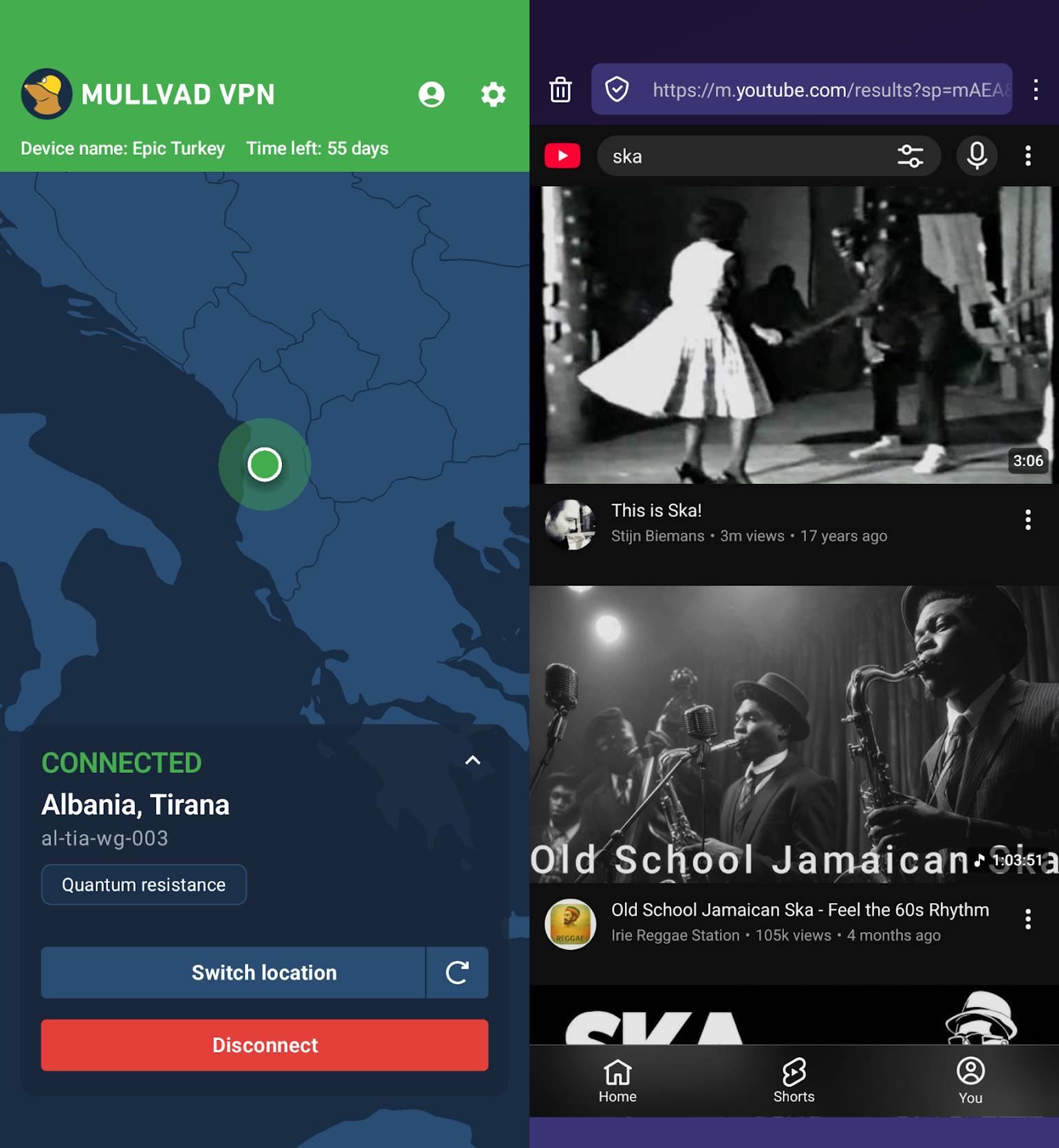
Personally I pay for YouTube and I think it is worth while, but I found that curious. Reasons might be that Google has no advertisement contracts in the country or it may just be too small a market to matter to them. Regardless, whenever you post something like that there will always be an army of smug people telling you that any service is ad free to them as they use an ad blocker, or other means not to show ads.
The experience for users who don’t employ these means is different, though, to the extend that the web is becoming unusable. I also do lament that on social media:

Here’s the thing: I am 100% sure these things are connected. The more people block ads, the more aggressive advertising became. To the extend that a newspaper site of today reminds you of illegal download or porn sites of the early 2000s. This is not a matter of greed, but survival, as subscriptions don’t scale. I pay for a few newspapers, but I really can’t be bothered to subscribe to all that I want to read. The internet replaced paper, after all, and it should also have replaced the means of acquiring news and content.
“I use an ad blocker as I don’t want to be tracked”
People claim that using ad blockers is about privacy. It can be, but most people use this as a hypocritical defense. Often these are the same people that don’t have working SSL on their sites or plaster them with third party “like” buttons. Or log in with Facebook/Google/Microsoft into other services. Pick a lane!
I am a privacy advocate and it is important to defend ourselves from being tracked online. “I don’t have anything to hide, so I don’t care when people know what I do” only works until your actions become accidentally – or by design – part of a bad narrative.
But there is a difference between tracking prevention and blocking ads. Not every ad is predatory and designed to record your actions – yet. Tracking prevention is often baked into the OS - at least in Europe – or there are specialist browser extensions like Privacy Badger. By using a dedicated “Ad” blocker, what you do is trying to get access without paying. That feels like doing a clever thing, but it hurts the web as not many things are free.
The web isn’t free – it is open, and there’s a difference
When I started on the web, I was a radio journalist. I announced the news and I got faxes and later on emails every morning with what happened in the world and our local area. We paid for getting access to these services, so our radio station played ads to cover these costs and my salary.
When I got internet access at the radio station (around 1995), I got access to the news tickers of government and international news agencies. I got the news faster, less filtered and for free, as companies and service providers published the information for free to be part of the cool new thing called internet. This also involved excellent innovations like RSS. The BBC was great at that and Netscape even had a sidebar displaying news. The platform “web” doesn’t charge you for publishing – it is an open platform. That was a huge step forward in publishing, and I quit my job and started developing and writing for the open web.
Hosting isn’t free, but it was affordable to companies and many people published on platforms that had ads on them – Geocities and the like. Even back then there were “framebusting” scripts that would hide the ads, effectively violating the terms and conditions to publish there.
We created an open platform but failed to innovate monetisation
The big mistake we made is to treat the web like any other publishing platform. We cherished the reach to get to a 24/7 world-wide audience, but our genius idea of making money was to show ads. That worked in classic media, so why not here?
I remember that at the radio station this got ridiculous at times when – for example – someone sponsored the announcement of the time. I had to play a 20 second jingle and then tell the listeners that it is 9 o’clock followed by another 4 second jingle that this amazing piece of news was brought to you by company XYZ. These days, YouTube has similar things where a 10 second video has a long non-skippable ad beforehand.
This is what I hated about traditional television, too. Watching Mythbusters on a streaming service is fun. Watching it on tele with “after the break” and “before the break” vignettes repeating what I just saw is grating.
On the web, we distribute content and leave it to the user to make it consumable to them. We have to support mobiles, desktops, voice interfaces and many other things. We don’t distribute payment though. Instead, we show ads and hope people click them. Or we ask for people to subscribe to one service at a time. There were some efforts to allow for easier payment, like Flattr, but they never made it to the mainstream or got baked into an operating system. This is a shame, as I would love to say I pay a lump sum each month and distribute it to publishers once I consumed the content. I fail to see why I should pay upfront to get access. A physical paper I also skim at the store before purchasing it to see if it is worth it.
Showing ads was too easy and became predatory
When Google came around the whole ad thing exploded. This blog had banners at a time and I did make about 2K a month with them. I vetted the providers and made sure that relevant stuff was shown. But I also found that there were dozens of blogs that scraped my content and drowned it in ads, making more money than I did. Linkfarming, Black Hat SEO stuff was mushrooming and it all had the goal to show ads around content that wasn’t made by the people who tried to benefit from it. So, naturally, people were annoyed and started using Adblockers.
I very much realised that, too. My banner income went towards zero, so I just took them off – no point in causing more traffic that nobody benefits from. Other people got hit much harder. Publications like Smashing Magazine had to reconsider from scratch how to pay their writers.
But then something really messed up happened. Google itself turned from a place to get your stuff found to a place that gives you 90% ads and sponsored content, with the first web content showing up on page 4. I worked at Yahoo when Google really became a thing and our business model – buy content from news agencies and show ads around it – became the standard model. The more people blocked ads, the more needed to be shown to those who don’t.
So this is where we are now. Web search is a mess and becomes more or less useless. And companies stop publishing on the open web because there is no way to be found. Instead, we are pushed into closed environments that promise to use Artificial Intelligence to give us only what we really look for, until the money runs out. Even now ChatGPT and others consider displaying ad content which can’t be blocked.
So, yes, I do understand people who use Adblockers, but it also feels like finding and open fire escape at the back of the concert building. Sure, feel smug and clever getting in, but you’d better go and buy some merch to support the artist.